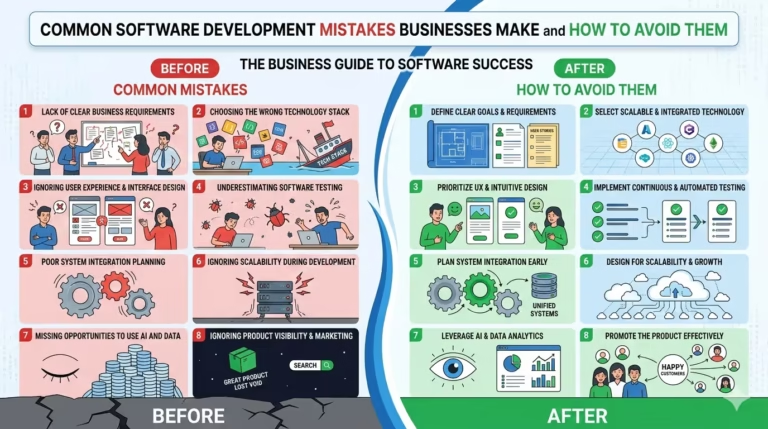
Custom Software Development Guide-In today’s rapidly evolving digital landscape, businesses must continuously adapt to stay competitive. Technology now plays a central role in driving efficiency, improving customer experiences, and enabling scalable growth.
However, many organizations still rely on generic, off-the-shelf software that often fails to meet specific business needs. These tools can limit flexibility, create integration challenges, and slow down operations as businesses expand.
To overcome these limitations, modern businesses are increasingly shifting toward tailored software solutions that align with their unique workflows and long-term goals.
With growing demand for scalable and business-focused solutions, companies are turning to experienced development providers like Bytexus to build systems that support long-term growth.
In this guide, you will learn key concepts, benefits, processes, and practical insights to help you make informed decisions about custom software development.
Key Takeaway
- Custom software is designed to align with specific business workflows and operational needs
- It offers greater control over features, updates, and system behavior
- It enables seamless integration with existing tools and platforms
- It supports scalability, allowing systems to grow with the business
- It improves efficiency by reducing manual processes and system limitations
- It provides better security through tailored implementation and control
- A structured development process helps ensure reliability and long-term performance
- Partnering with an experienced provider like Bytexus supports successful execution and scalability
What is Custom Software Development?
Custom software development is the process of designing, building, and deploying software solutions that are specifically tailored to meet the unique needs of a business or organization, rather than using standardized, off-the-shelf applications.
These solutions are created based on specific workflows, goals, and operational requirements, ensuring a closer alignment with how a business actually functions.
Key Characteristics of Custom Software
- Built specifically for a single organization or use case
- Designed to match unique business processes and workflows
- Flexible and adaptable as business needs evolve
- Can be integrated with existing systems and tools
- Developed with specific performance, security, and scalability requirements in mind
For instance, a logistics company may require a system to manage fleet tracking, driver communication, and real-time delivery updates. Instead of relying on multiple generic tools, a custom-built solution can unify all these functions into one platform tailored to its exact operational needs.
Why Modern Businesses Are Moving Toward Custom Software
Modern businesses are shifting away from off-the-shelf software as their operational needs become more complex and dynamic. Generic tools are built for a broad audience, which often makes them less effective for organizations with specific workflows or evolving requirements.
A key reason for this shift is the need for better alignment with business processes. As companies grow, their operations, systems, and user expectations become more specialized. Standard software often lacks the ability to adapt to these changing requirements.
Another factor is the increasing reliance on multiple interconnected systems. Businesses today use various platforms such as CRM, ERP, and analytics tools. Off-the-shelf software may not integrate seamlessly, leading to fragmented systems and operational inefficiencies.
In addition, changing market conditions and rising digital expectations require businesses to continuously adapt their technology stack. Relying on rigid, pre-built solutions can limit this adaptability.
As a result, organizations are moving toward custom software to ensure their technology aligns more closely with their operational structure and evolving business environment.
Core Benefits of Custom Software Development
Custom software development offers several advantages that directly support business performance and long-term growth.
Personalization
Custom software is designed to match specific business workflows and requirements. This ensures that every feature and function aligns closely with how the organization operates, improving usability and relevance.
Scalability
As businesses grow, their software needs evolve. Custom solutions can be scaled and modified to handle increased workloads, new features, and expanding operations without major disruptions.
Security
Custom-built software allows businesses to implement security measures based on their specific risk profile. This reduces exposure to common vulnerabilities often found in widely used generic applications.
Efficiency
By aligning with existing processes, custom software reduces manual work, eliminates redundancies, and streamlines operations. This leads to improved productivity and smoother day-to-day execution.
Custom Software vs Off-the-Shelf Software: Key Differences
Businesses often evaluate custom software and off-the-shelf solutions based on how well they align with their operational needs, scalability goals, and level of control required. While both approaches serve different purposes, the right choice depends on how specific and evolving your business requirements are.
Key Differences at a Glance
| Aspect | Custom Software | Off-the-Shelf Software |
| Purpose | Built specifically for business-specific use cases | Designed for a wide range of general users |
| Business Fit | Fully aligned with internal workflows | May require process adjustments |
| Customization | Highly customizable based on requirements | Limited customization options |
| Control & Ownership | Full control over features, updates, and data | Controlled by vendor policies and updates |
| Scalability | Can scale as business grows and evolves | May require upgrades or switching tools |
| Integration | Seamless integration with existing systems | Integration can be limited or complex |
| Deployment Time | Requires development and testing time | Ready to use immediately |
| Cost Structure | Higher initial investment, long-term value | Lower upfront cost, ongoing subscription fees |
| Maintenance | Managed as per business needs | Dependent on vendor support and updates |
How to Decide
- Choose custom software when your business requires precise workflow alignment, long-term scalability, and deeper system integration.
- Choose off-the-shelf software when your needs are standard, budget is limited, and quick deployment is a priority.
Types of Custom Software Solutions for Businesses
Custom software solutions can be developed in different forms depending on business goals, operational needs, and user requirements. Each type serves a specific purpose and helps organizations address particular challenges.
Enterprise Software
Enterprise software is designed to manage core business operations such as finance, human resources, supply chain, and customer data. These systems centralize information, improve coordination across departments, and support better decision-making at an organizational level.
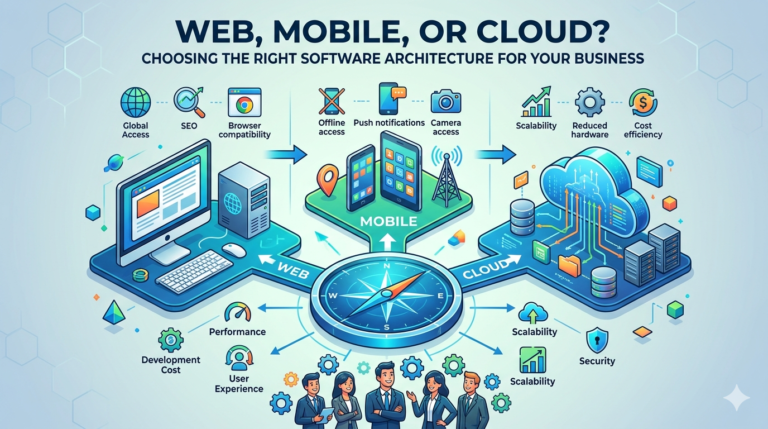
Web Applications
Web-based applications run on browsers and allow businesses to access systems from anywhere without installation. They are commonly used for customer portals, dashboards, admin panels, and internal tools, offering flexibility and easy scalability.
Mobile Applications
Custom mobile apps are built for iOS and Android platforms to provide on-the-go access to services and data. They enhance user engagement, support real-time communication, and are widely used for customer-facing services as well as internal operations.
AI-Powered Solutions
AI-driven software uses data and algorithms to automate tasks, generate insights, and improve decision-making. These solutions are commonly applied in analytics, personalization, forecasting, and intelligent automation to enhance business efficiency.
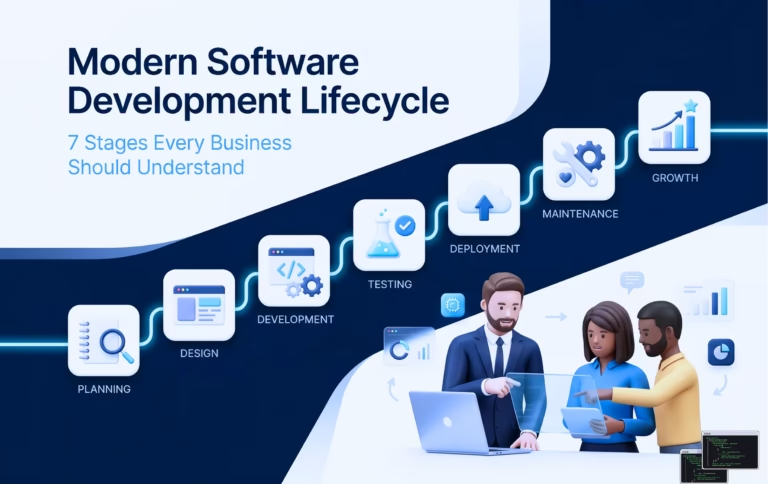
Step-by-Step Custom Software Development Process
A well-defined custom software development process ensures that solutions are built efficiently, aligned with business objectives, and capable of scaling with evolving requirements. This process typically combines multiple capabilities such as UI/UX design, custom web and mobile development, cloud application development, system integration, and software testing, ensuring a complete and future-ready solution.
1. Requirement Gathering
This stage involves identifying business goals, user expectations, and technical requirements. Stakeholders collaborate to define workflows, system functionalities, and integration needs, creating a clear foundation for development.
2. Planning
A structured roadmap is created, covering timelines, architecture, and technology stack. This phase also includes planning for cloud-based deployment, scalability, and performance optimization to support long-term growth.
3. UI/UX Design
Designers focus on building intuitive interfaces and seamless user journeys. Effective UI/UX services ensure the software is easy to use, visually consistent, and aligned with user behavior and business processes.
4. Development
Developers build the core system by implementing features, backend logic, and APIs. This stage includes custom web application development and mobile app development, ensuring cross-platform accessibility and robust performance.
5. Testing
Rigorous software testing and QA services are applied to validate functionality, performance, and security. This helps identify issues early and ensures the software meets quality standards before launch.
6. Deployment
The application is deployed in a live environment using custom cloud application development practices, enabling scalability, high availability, and smooth user access.
7. Maintenance & Integration
After deployment, continuous monitoring, updates, and enhancements are performed. System integration services ensure seamless connectivity with existing tools such as CRM, ERP, and third-party platforms, supporting long-term efficiency.
What is the Cost of Custom Software Development?
The cost of custom software development refers to the total investment required to design, build, deploy, and maintain a software solution tailored to specific business needs. This cost varies based on project scope, complexity, and technical requirements, as each solution is uniquely developed rather than standardized.
Key Factors That Influence Cost
Project Complexity
The complexity of the application is one of the primary cost drivers. Systems with advanced workflows, multiple user roles, real-time data processing, or complex integrations require more development time, detailed architecture, and higher technical expertise.
Features and Functionality
The scope and depth of features significantly impact cost. Basic applications with limited functionality require fewer resources, while advanced systems with automation, analytics, dashboards, or AI-driven capabilities demand more development effort and testing.
Technology Stack
The selection of technologies, frameworks, and platforms influences both development and long-term costs. Scalable technologies, modern frameworks, and cloud-based environments may require higher initial investment but provide better performance, flexibility, and future scalability.
Team Size and Expertise
Custom software projects involve multiple roles, including developers, designers, QA engineers, and project managers. A skilled and experienced team may increase upfront cost but ensures better code quality, faster delivery, and reduced risk of errors.
Integration Requirements
If the software needs to integrate with existing systems such as CRM, ERP, payment gateways, or third-party APIs, additional development and testing effort is required. The complexity of these integrations can significantly affect overall cost.
Timeline and Urgency
Project timelines also influence cost. Tight deadlines may require additional resources, parallel development, or extended working hours, which can increase overall project expenses.
Cost Perspective
Custom software development typically involves a higher initial investment compared to off-the-shelf solutions. However, it delivers long-term value by aligning closely with business processes, reducing dependency on multiple tools, and minimizing recurring licensing costs.
Over time, this approach can improve operational efficiency, reduce manual effort, and provide a scalable foundation for business growth, making it a strategic investment rather than just a one-time expense.
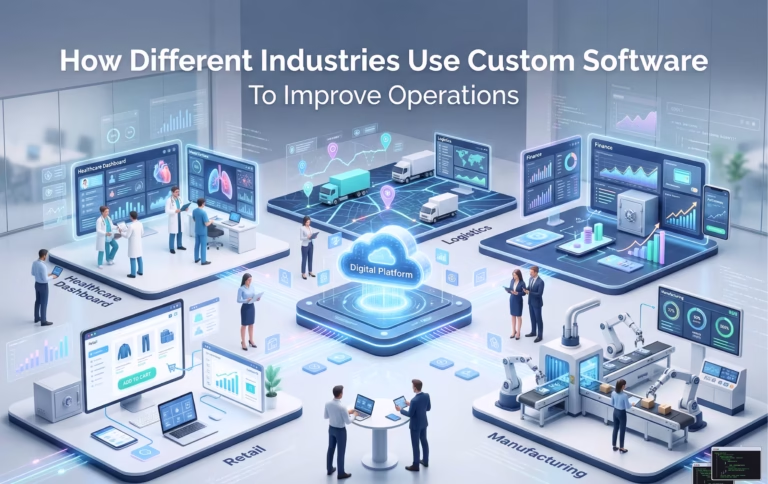
Industries That Benefit Most from Custom Software
Custom software is widely adopted across industries where operations, workflows, and customer requirements demand tailored digital solutions. These industries benefit from systems that align closely with their processes, improve efficiency, and support scalability.
FinTech
Financial organizations use custom software to manage secure transactions, automate workflows, and ensure regulatory compliance. These solutions support real-time financial processing, fraud detection, risk management, and seamless integration with banking and payment systems.
Healthcare
Healthcare providers rely on custom systems for patient data management, appointment scheduling, telemedicine, and secure record handling. These solutions help improve operational efficiency while maintaining strict compliance with data privacy and healthcare regulations.
Logistics & Transportation
Logistics companies use custom platforms for fleet management, route optimization, shipment tracking, and real-time communication. These systems improve visibility across operations, reduce delays, and enhance overall supply chain efficiency.
Retail & E-commerce
Retail and e-commerce businesses implement custom software for inventory management, order processing, and personalized customer experiences. These solutions enable better demand forecasting, customer engagement, and seamless integration with payment and delivery systems.
Manufacturing
Manufacturers use custom software to manage production planning, supply chain operations, and real-time monitoring of equipment and processes. These systems help improve productivity, reduce downtime, and ensure better control over operations.
How to Choose the Right Custom Software Development Partner
Choosing the right custom software development partner is critical to ensure your solution is built efficiently, securely, and aligned with your long-term business goals. The right partner not only executes development but also helps define architecture, optimize workflows, and support scalability as your business grows.
Key Factors to Consider
Technical Expertise
Assess the team’s proficiency in relevant technologies, frameworks, and development methodologies. A capable partner should be able to recommend the right tech stack, design scalable architecture, and follow best practices for performance and reliability.
Industry Experience
A partner with industry-specific experience can better understand your business processes, challenges, and compliance requirements. This helps in building solutions that are more practical and aligned with real-world use cases.
Portfolio and Case Studies
Review past work, case studies, and client outcomes to evaluate their ability to deliver scalable and high-quality solutions. Look for projects similar in complexity or industry to your own requirements.
Communication and Collaboration
Strong communication ensures clarity at every stage of development. A reliable partner provides regular updates, maintains transparency, and uses structured collaboration processes to avoid misunderstandings and delays.
Scalability and Long-Term Support
Custom software is not a one-time project. Ensure the partner offers ongoing support, upgrades, and scalability planning to keep the system aligned with future business needs.
Security and Compliance
Evaluate their approach to data protection, secure coding practices, and compliance with industry standards. This is especially important for applications handling sensitive or regulated data.
Development Approach and Flexibility
Understand whether the partner follows agile or iterative development practices. A flexible approach allows better handling of changes, faster delivery cycles, and continuous improvement during the project.
Working with an experienced provider like Bytexus, known for delivering scalable and business-focused solutions across industries, can help ensure a structured, reliable, and results-driven development process.
Common Challenges in Custom Software Development (and How to Handle Them)
Custom software development requires careful planning and coordination. Without the right approach, certain challenges can impact timelines, quality, and overall project success.
Unclear Requirements
When business needs are not clearly defined at the start, it can lead to confusion, frequent revisions, and misaligned outcomes.
Approach: Invest time in detailed requirement gathering, involve key stakeholders early, and document clear objectives to guide development.
Changing Scope
As projects progress, new requirements may emerge, leading to scope creep. This can disrupt timelines and increase complexity.
Approach: Establish a structured change management process and prioritize features based on business impact to maintain control.
System Integration Issues
Custom software often needs to connect with existing systems such as CRMs, ERPs, or third-party tools. Compatibility challenges can slow down development.
Approach: Plan integrations from the beginning and use flexible, API-driven architecture to ensure smooth connectivity.
Communication Gaps
Miscommunication between stakeholders, developers, and project managers can result in delays and errors.
Approach: Maintain consistent communication through regular updates, progress tracking, and clear documentation.
Future Trends in Custom Software Development
Custom software development is continuously evolving as new technologies reshape how businesses build and scale digital solutions.
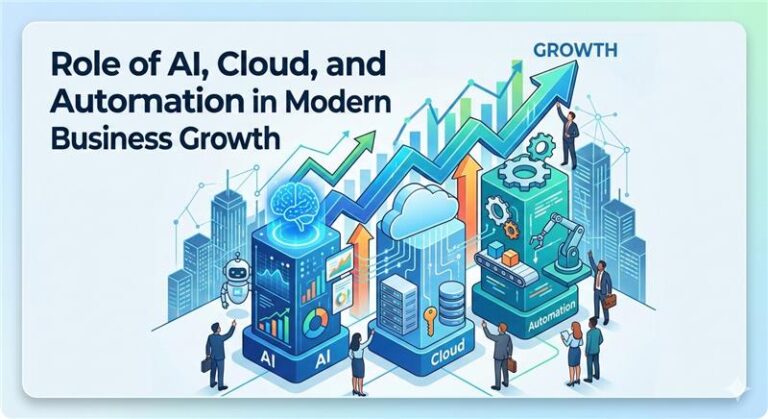
AI and Machine Learning Integration
AI and ML are enabling software to analyze data, automate decision-making, and deliver more intelligent, adaptive user experiences across applications.
Cloud-Native Architecture
Modern applications are increasingly built using cloud-native approaches, allowing better scalability, flexibility, and performance through distributed systems and microservices.
Automation-Driven Development
Automation is being widely adopted to streamline development workflows, testing, deployment, and operational processes, improving speed and consistency.
Low-Code and No-Code Platforms
Low-code and no-code tools are simplifying application development, allowing faster delivery and enabling non-technical users to build and manage certain solutions.
Conclusion
Custom software development has become a strategic approach for modern businesses looking to align technology with their specific operational needs. As digital expectations continue to evolve, relying on generic solutions is no longer sufficient for organizations aiming to scale efficiently and stay competitive.
By understanding the core concepts, development process, cost factors, and industry applications, businesses can make more informed decisions when considering custom-built solutions. A well-planned approach ensures better alignment, smoother execution, and long-term adaptability.
Partnering with an experienced provider like Bytexus can further support this journey by delivering scalable, secure, and business-focused software solutions tailored to evolving enterprise needs.
FAQs
What is custom software development?
Custom software development is the process of creating software tailored to a specific business’s needs, workflows, and objectives instead of using generic, ready-made solutions.
How much does custom software development cost?
The cost depends on factors such as complexity, features, technology stack, and development time. Basic solutions may require a lower investment, while enterprise-level systems involve higher costs.
How long does it take to develop custom software?
Timelines vary based on scope and complexity. Smaller projects may take a few weeks, while larger, feature-rich applications can take several months.
Is custom software better than off-the-shelf software?
Custom software is ideal for businesses with unique processes and scalability needs, while off-the-shelf solutions are suitable for standard requirements and faster deployment.
Who should choose custom software development?
Businesses with complex workflows, integration needs, or long-term scalability goals benefit the most from custom software solutions.
Can custom software integrate with existing systems?
Yes, custom software can be designed to integrate seamlessly with existing tools such as CRM, ERP, and third-party platforms.
Is custom software secure?
Custom software allows businesses to implement tailored security measures, reducing exposure to common vulnerabilities found in widely used applications.
What technologies are used in custom software development?
Technologies vary based on project needs but commonly include modern frameworks, cloud platforms, and scalable architectures.